



Key takeaways:
- Brazil’s central bank will require crypto providers to hold certain transfers
- The rule applies to transfers above $10,000 sent to foreign crypto providers or self-custody wallets
- The measure is part of a broader 2027 regulatory framework bringing crypto providers under capital, risk and disclosure rules
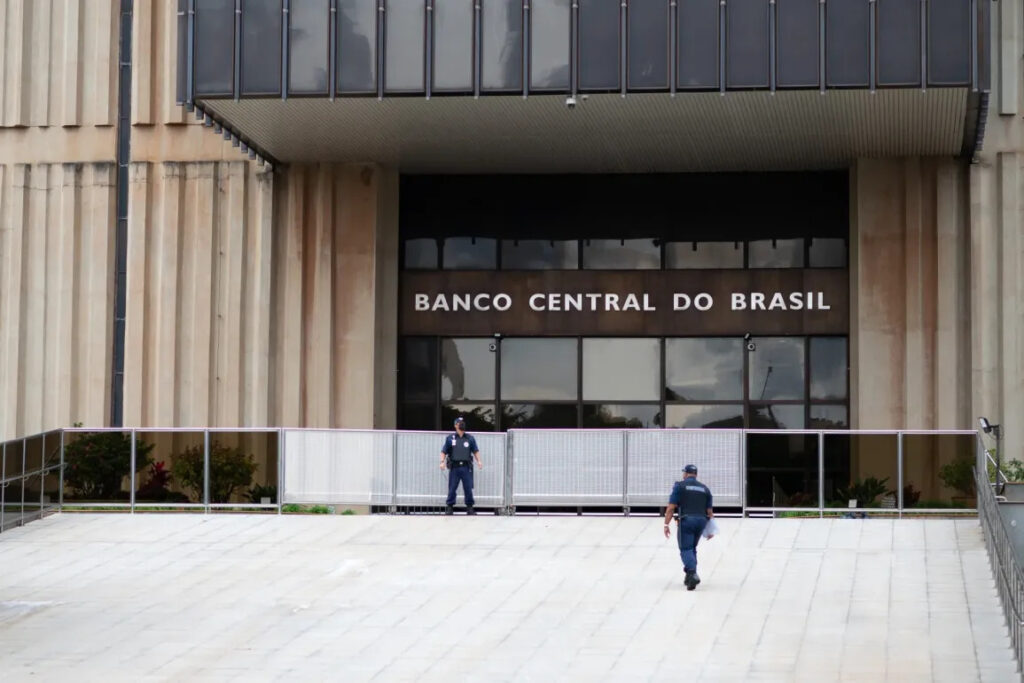
Brazil’s central bank has ordered virtual asset service providers to hold certain crypto transfers for up to 24 hours starting January 1, 2027, adding a new anti-fraud layer to the country’s expanding digital asset rulebook.
Banco Central do Brasil published Resolution BCB No. 584 on August 7, covering transfers above $10,000 destined for foreign crypto providers or self-custody wallets. The threshold applies either to a single transaction or a customer’s combined transactions within the same day. Smaller transfers can also face additional review when a provider’s risk policies flag reasons for closer scrutiny.
The central bank said the measure responds to growing use of virtual assets, including stablecoins, to move proceeds from financial fraud quickly, sometimes moving funds beyond Brazil’s borders or into wallets controlled directly by users, making recovery difficult once a transfer settles.
How the hold will work in practice
Under the central bank’s new anti-fraud rules, a covered provider must retain the assets for 24 hours before proceeding with qualifying transfers. The measure is precautionary rather than a permanent freeze, and a provider can complete its risk review and release the transfer before the full period ends once the conditions set by the regulator are met.

Providers must also notify customers when a transfer is being held. In addition, institutions are required to maintain records of fraud incidents, attempted fraud and the corrective measures taken.
These requirements extend Brazil’s existing payment fraud controls to virtual asset services, giving providers more time to review transactions that could otherwise settle almost instantly.
Part of a wider 2027 crypto rulebook
The transfer rule is one piece of a broader regulatory expansion. In July, the BCB classified virtual asset service providers under its prudential framework, meaning they will begin following capital, risk management and disclosure requirements from January 1, 2027. Providers must also enter the more demanding Segment 4 supervisory category by June 30, 2028, regardless of their size.
The framework builds on earlier licensing, customer asset segregation and compliance requirements introduced as part of Brazil’s capital rules for exchanges. Separately, the central bank has restricted the use of virtual assets to settle payments inside regulated cross-border electronic foreign exchange channels.
The tighter oversight follows fresh scrutiny of Brazil’s stablecoin market. The International Monetary Fund’s July Financial System Stability Assessment found that Brazilian crypto activity, particularly involving U.S. dollar-pegged stablecoins, has grown rapidly since 2017, with cross-border crypto flows rising faster than both traditional capital flows and nominal GDP.