


Stablecoin adoption in Venezuela is set to accelerate as the country’s economic crisis deepens and the bolívar continues to lose value, according to a new report by blockchain intelligence firm TRM Labs.
The report says worsening macroeconomic conditions, persistent inflation, banking challenges and regulatory uncertainty are pushing more Venezuelans to rely on stablecoins such as USDT for everyday financial transactions rather than speculation.
Key takeaways
- Venezuela’s worsening economic crisis and the declining value of the bolívar are accelerating stablecoin adoption.
- Stablecoins are increasingly used for savings, payments, remittances and cross border transactions.
- Peer to peer (P2P) crypto platforms have become alternatives to traditional banking services.
- Regulatory uncertainty and weak confidence in local banks are driving more users toward blockchain based financial services.
- Venezuela ranks 18th globally for crypto adoption and ninth when adjusted for population, according to the Chainalysis 2025 Crypto Adoption Index.
Economic crisis fuels stablecoin adoption in
TRM Labs said Venezuelans have spent nearly a decade dealing with hyperinflation, economic sanctions and limited access to reliable banking services.
These conditions have increased demand for stablecoins, which many residents now use to preserve the value of their money and carry out daily transactions.

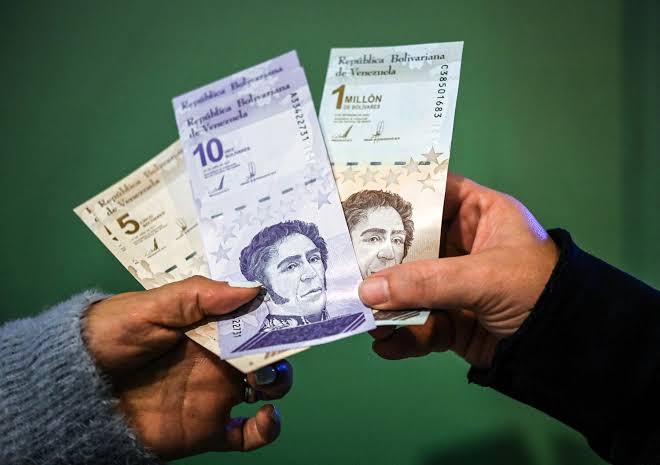
The report said adoption is likely to continue growing if Venezuela’s macroeconomic challenges persist, especially amid ongoing geopolitical tensions between the United States and Venezuela.
“Absent a material shift in Venezuela’s macroeconomic conditions or the emergence of cohesive regulatory oversight, the role of digital assets, particularly stablecoins, is poised to expand,” TRM Labs said.
Why Venezuelans are choosing stablecoins
According to the report, several factors are driving stablecoin adoption across the country.
1. Declining value of the bolívar
The continued depreciation of Venezuela’s national currency has encouraged many residents to hold their savings in dollar backed stablecoins instead of bolívars. Venezuela’s central bank, the Banco Central de Venezuela, publishes official exchange rate data, though many residents rely on parallel market rates instead.
2. Weak confidence in banks
Years of financial instability and limited banking services have reduced public trust in traditional financial institutions, making blockchain based payment solutions more attractive.
3. Regulatory uncertainty
Questions surrounding the authority and enforcement capacity of Venezuela’s crypto regulator, SUNACRIP (Superintendencia Nacional de Criptoactivos y Actividades Conexas), have contributed to greater reliance on decentralized financial tools.
4. Growing demand for cross border payments
Stablecoins offer faster and cheaper ways to send and receive money internationally, making them useful for remittances and overseas purchases.
P2P crypto trading replaces traditional banking
Peer to peer crypto trading has become an important part of Venezuela’s financial system.
TRM Labs found that more than 38% of crypto related website visits from Venezuelan IP addresses were directed to a single global platform offering P2P trading services.
These platforms, together with USDT to fiat conversions, have helped fill gaps left by unreliable banking infrastructure, although users still report occasional service disruptions.

The report also noted that locally developed crypto platforms with mobile wallets and direct bank integrations are becoming increasingly popular. These services provide informal payment rails that support everyday commerce despite ongoing infrastructure challenges.
Stablecoins now support everyday payments
Rather than being used mainly for investment, stablecoins have become essential financial tools for many Venezuelans.
According to TRM Labs, USDT is now widely used for:
- Payroll payments
- Domestic purchases
- Vendor settlements
- Cross border transactions
- International remittances
- Protecting savings from inflation
The report concludes that Venezuela’s crypto ecosystem is being driven primarily by economic necessity rather than speculative trading.
Venezuela ranks among the world’s top crypto users
Data from the Chainalysis 2025 Crypto Adoption Index places Venezuela 18th globally for overall crypto adoption.
When adjusted for population size, however, the country ranks ninth, highlighting the widespread use of cryptocurrencies among ordinary citizens despite ongoing economic hardship.
Stablecoin adoption grows worldwide
The report comes as major financial companies continue expanding into the stablecoin market.
Western Union plans to launch its US Dollar Payment Token (USDPT) on the Solana blockchain during the first half of 2026. The token, issued by Anchorage Digital Bank, is designed to enable faster and lower cost international money transfers while reducing dependence on traditional banking intermediaries.
Meanwhile, Visa has launched a pilot program that allows creators, freelancers and gig workers to receive direct payouts in Circle’s USDC stablecoin. The initiative aims to make cross border payments nearly instant while lowering transaction costs and reducing reliance on conventional banking infrastructure.