


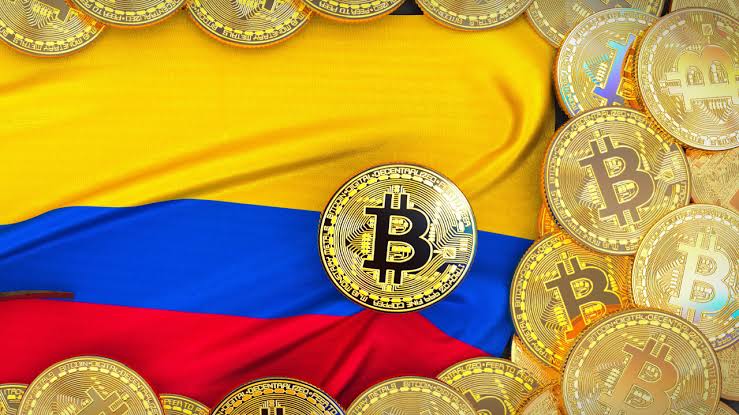
Colombia has become one of Latin America’s most active crypto markets, and the driver is unusually specific: a weakening peso.
The Colombian peso has lost around 5.3% of its value over the past year, with annual inflation near 5.29% in early 2026, according to reporting on the country’s shift toward digital dollars. Around six million Colombians now use cryptocurrency platforms, and remittances from abroad, which topped $10 billion in 2023, increasingly move through dollar-pegged tokens rather than banks charging 5% to 6% for wire transfers that take days to clear.
Below are ten platforms built for or heavily used across Colombia, followed by what makes each one distinct.
Ten platforms powering Colombia’s stablecoin economy
10. Buda.com
A Chilean-founded exchange with a long-standing presence across the Andean region, Buda.com is one of the more established names Colombian regulators point to when discussing legally operating local exchanges.
9. Nequi and Daviplata crypto rails
Colombia’s dominant digital wallets, run by Bancolombia and Davivienda respectively, are not crypto platforms themselves, but both banks have used the Superintendencia Financiera’s regulatory sandbox, known as LaArenera, to pilot crypto-asset products that plug directly into these wallets’ existing user base of millions.
8. OKX
OKX has built a meaningful Colombian user base through its broad asset selection and dedicated risk reserve fund, appealing to Colombian traders who want global liquidity alongside local peso on-ramps.
7. LaArenera sandbox participants
The SFC’s regulatory sandbox has let banks and fintechs, including Bancolombia and Davivienda, test crypto-asset products under supervision with defined limits on amounts and timeframes. Its outcomes are likely to shape whatever broader Colombian crypto regulation follows.
6. Binance Colombia
Binance remains the largest global exchange operating in Colombia, and its peer-to-peer market has become a key channel for Colombians converting pesos to USDT, particularly along the Colombia-Venezuela corridor where cross-border families rely on dollar-pegged tokens to move money quickly.
5. Rappi crypto pilot
Colombia’s dominant delivery app ran an early crypto payments pilot built with Bitso, a signal of how mainstream consumer platforms in the country have experimented with stablecoin rails well outside the traditional exchange sector.
4. Bitso Business Colombia API
Bitso Business launched a dedicated API for the Colombian market in 2026, part of a broader push to connect Latin American stablecoin flows to Asia through regulated corridors, and gives Colombian companies direct programmatic access to peso-to-stablecoin conversion.
3. Wenia
Launched by Bancolombia, Colombia’s largest bank, Wenia is a crypto exchange registered in Bermuda that trades Bitcoin, Ether, USDC and Polygon’s MATIC alongside COPW, a peso-pegged stablecoin. It aimed to onboard 60,000 users in its first year and represents the clearest case of a major Colombian bank building its own stablecoin rails rather than partnering with an existing exchange.
2. Bitso Onchain
Bitso’s decentralized trading layer has rolled out to Colombian users as part of its regional expansion, giving access to more than 17,000 tokens across 14 blockchains without requiring users to manage their own gas fees or seed phrases, a notable step beyond Bitso’s original custodial exchange model.
1. Bitso
Bitso is the platform most Colombians reach for first, combining PSE-linked peso deposits, a growing Colombian institutional client base, and the broadest stablecoin liquidity in the country. Its scale across Mexico, Brazil, Argentina and Colombia, and its role hosting the region’s Stablecoin Conference in Mexico City in June 2026, make it the closest thing Colombia has to a default stablecoin rail.
Bottom line
Colombia’s stablecoin adoption is being pulled along by a specific, personal motive: protecting savings and remittances from a depreciating peso, not chasing DeFi yield for its own sake.
That makes bank-linked platforms like Wenia and regulatory sandbox pilots as important to watch as pure exchanges like Bitso and Binance.
Starting with a licensed platform, understanding how the SFC’s sandbox rules might harden into permanent regulation, and treating the Venezuela remittance corridor as a leading indicator will help any new Colombian investor read where this market is heading.