

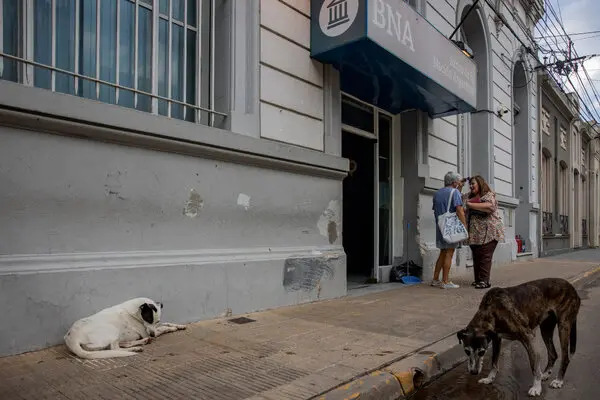

In April, two crypto entrepreneurs were snatched off a street in Buenos Aires. Their captors held them for hours before letting them go. Investigators later found that both suspects flew out of Argentina within hours of the attack, one to the United Arab Emirates and the other to Turkey.
A judge has since ordered their international arrest.
In São Paulo state a similar plot played out differently. The wife of a crypto holder was taken and held for four days while her captors argued over the ransom.


Police tracked her to a building in the city and rescued her before any money changed hands. One officer working the case said four more suspects were later indicted.
These two stories show a pattern spreading across emerging markets. Crypto holders are being targeted not by strangers who stumble on their wealth but by criminals who seem to know exactly who they are.
A crime that follows the money
Chainalysis, a firm that tracks blockchain data, has counted these so called wrench attacks since 2023. In a report published in August, it found that criminals stole more than $30 million through violence in the first half of 2026 alone.
This puts the year on pace to beat the record $58 million stolen in 2025. The firm put it simply. Violent attacks targeting crypto holders, including home invasions, kidnappings, and hostage situations, sometimes called “wrench attacks” in security circles, have surged in recent years.
France gets most of the headlines because a data breach exposed the identities of wealthy holders to criminal buyers. But France, the United States, Brazil and Thailand together account for the highest number of documented cases since 2023.
Brazil and Thailand show how the threat has spread well beyond Europe into fast growing crypto markets in the global south.
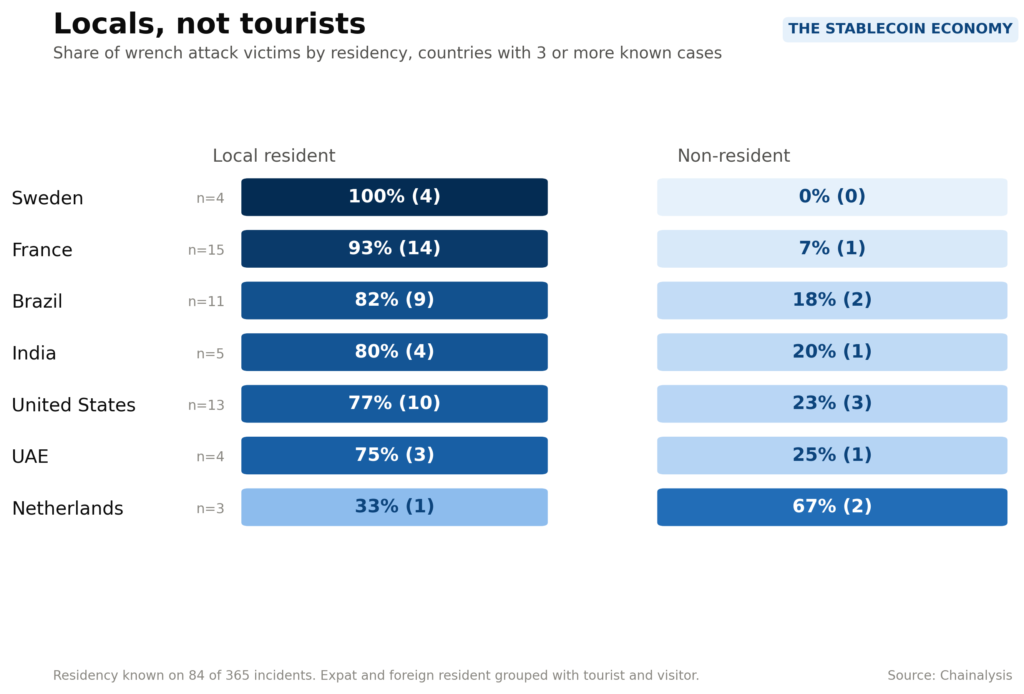
The detail that stands out most is who gets picked. Chainalysis found that in countries with enough data most victims are local residents rather than tourists or foreign investors.
In France 93 percent of victims were locals. In Brazil the figure was 82 percent. In the United States it was 77 percent. This rules out simple opportunism. Attackers appear to study targets first, often through social media or leaked data, rather than choosing them at random.
Governments start to respond
On their part, government are responding reactively to these attacks.
France has moved fastest on security. Its Interior Minister, Laurent Nuñez, told crypto industry representatives in June that authorities had logged 77 kidnapping and extortion cases linked to crypto in the first half of the year, up from 45 in all of 2025.
“These are serious matters, and your concern is legitimate,” he told the Association for the Development of Digital Assets. He has promised a rapid alert system and closer coordination between police and the crypto industry.
Similarly, Brazil’s government has taken a different sort of action, aimed less at violence and more at the risk building underneath it.
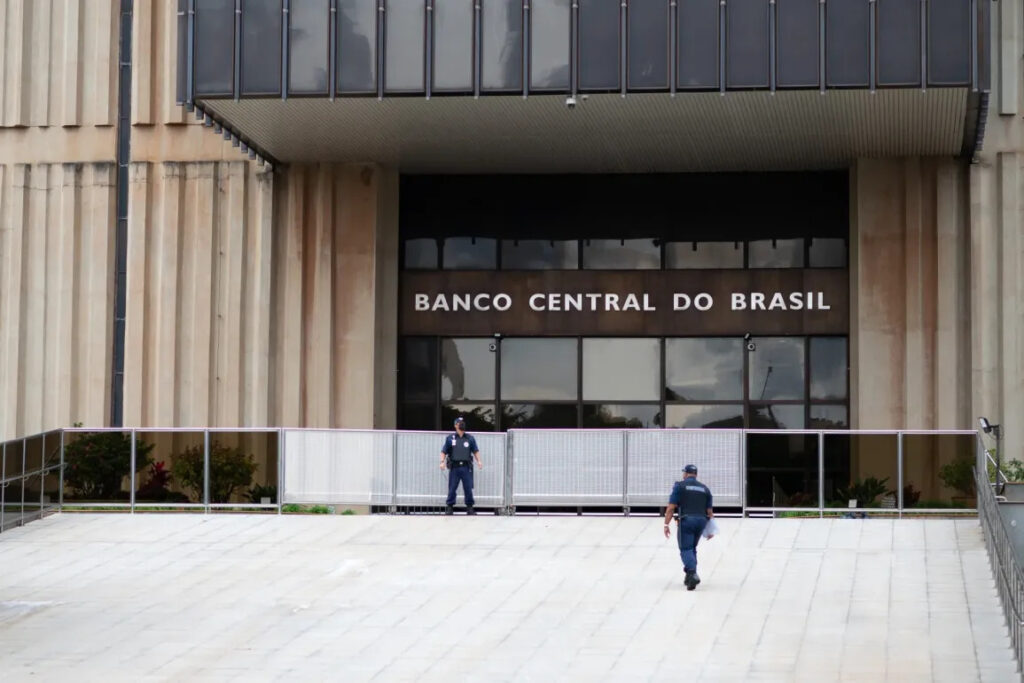
In April its central bank published Resolution BCB No. 561, which bans regulated payment firms from using stablecoins to settle the offshore leg of cross border payments once it takes effect in October.
Fintechs that had been converting reais into USDT or USDC to move money abroad will have to switch back to bank wires and correspondent accounts. The rule does not stop ordinary Brazilians from buying or holding crypto through licensed exchanges.
It targets the institutional plumbing instead, at a time when stablecoins make up roughly 90 percent of the $6 billion to $8 billion in crypto that moves through Brazil each month.
The two responses reveal a gap. France is building tools to protect people who already hold crypto. Brazil is trying to slow the pace at which new value enters the system in the first place.
Thailand and other fast growing markets have so far offered little public response to the physical risk at all, even as adoption climbs.
Why crime follows adoption
Meanwhile, the pattern holds across these countries even though the methods differ. Wherever ordinary people start holding real value on a phone, criminals eventually follow.
Brazilian police seized about $14 million in crypto tied to crime in 2025, six times the year before, yet that is a tiny fraction of the billions moving through the country. Analysts who track physical crypto crime say street robbery, where a phone or wallet is grabbed on the spot, is more common in parts of Latin America and Southeast Asia than the planned home invasions seen in France.
Kidnapping remains the largest single category of wrench attacks worldwide, though home invasions have grown fastest. Family members are now used as leverage in roughly a third of all documented cases. For reporters covering the stablecoin boom in Nigeria, Brazil, Thailand or anywhere else adoption is rising fast, this is the security story sitting under the growth story.
Cheaper payments come with a cost most users are never warned about, and governments are only beginning to catch up.