

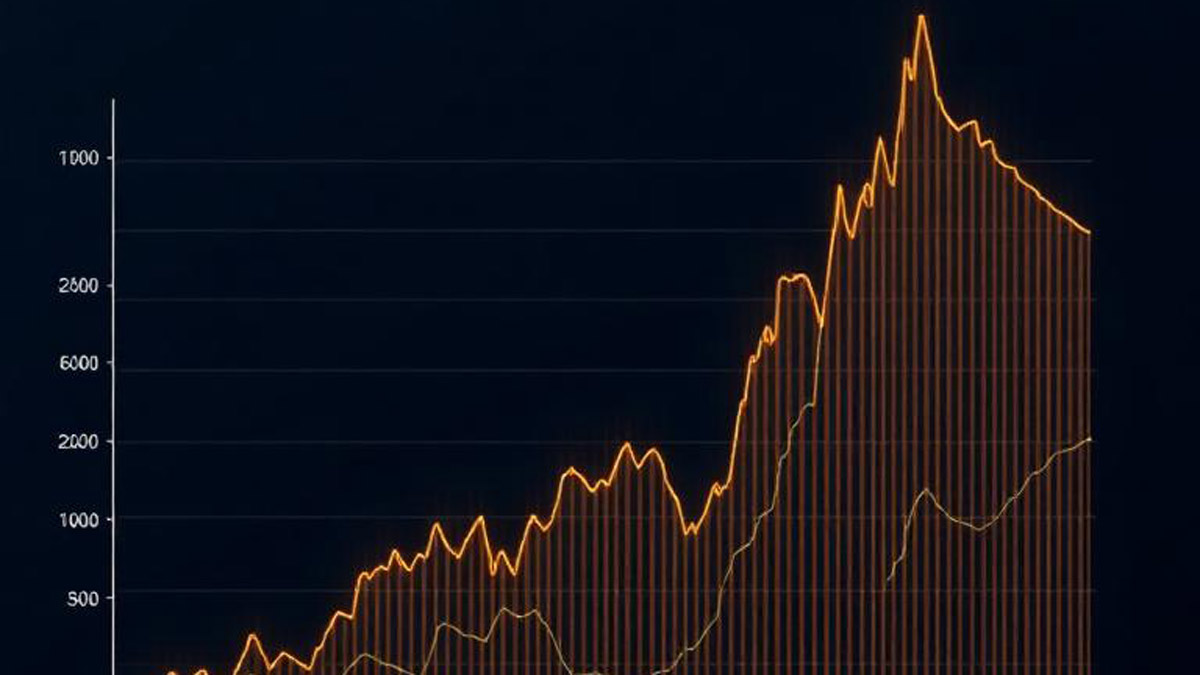

NEW YORK — Total stablecoin market capitalization numbers are frequently touted by crypto marketing teams as definitive proof of mainstream global adoption. However, a closer inspection of raw on-chain network data reveals a far more nuanced, complex story about how digital assets are actually moving through emerging markets.
By running raw ledger data through advanced transaction filters designed to strip out artificial MEV bot activity, automated wash trading, and centralised exchange internal wallet shuffling, our data team isolated true consumer and commercial transaction velocity. The refined metrics reveal that while raw transaction counts on legacy mainnets are often inflated by speculative traders, the underlying transactional volume associated with real-world payments, payroll, and invoice settlement is growing at a steady, compound annual rate.
The data points to a massive geographic divergence in asset preference. While institutional traders in Western markets primarily use USDC for decentralized finance interactions, retail and business operators across emerging economies lean heavily toward USDT on low-cost networks for basic capital preservation and commerce.


By analyzing the average holding time of tokens within individual wallets, the research indicates that stablecoins in the Global South function much more like traditional checking accounts than speculative assets. This deep dive provides institutional analysts with the clean data models required to project actual payment network growth, free from the noise of public market speculation